Blog
Engineering insights
Practical takes on building custom software, from architecture decisions to shipping strategies. Written by the engineers doing the work.

What an investor portal costs to build in 2026
A self-service investor portal cuts your reporting load by 60% and answers the 'where's my statement' email before it gets sent. Custom builds run $8,000-$25,000. Here's what drives the price.

How to automate fund admin: NAV, payouts, and statements
Three jobs eat your operations week: calculating NAV, paying investors, and sending statements. Each one is a manual ritual today and a one-click action once it's automated. Here's how each piece works.

Real-time NAV and AUM dashboards: how to build one that updates live
To know what your fund is worth today, you open a spreadsheet and start calculating. A live dashboard answers the question the moment a position changes. Here's how the real-time piece actually works.

Spreadsheet to platform: migrating fund operations without a shutdown
The fear that stops most AMCs from moving off Excel is a broken quarter mid-migration. Run the spreadsheet and the platform in parallel for one cycle and the risk goes to zero. Here's the playbook.

Compliance-ready software for asset managers: what to build in from day one
Bolting compliance onto a finished platform costs 3-4x what building it in does. Audit trails, role-based access, and KYC are cheap when they're load-bearing from the start. Here's the layer every AMC needs.
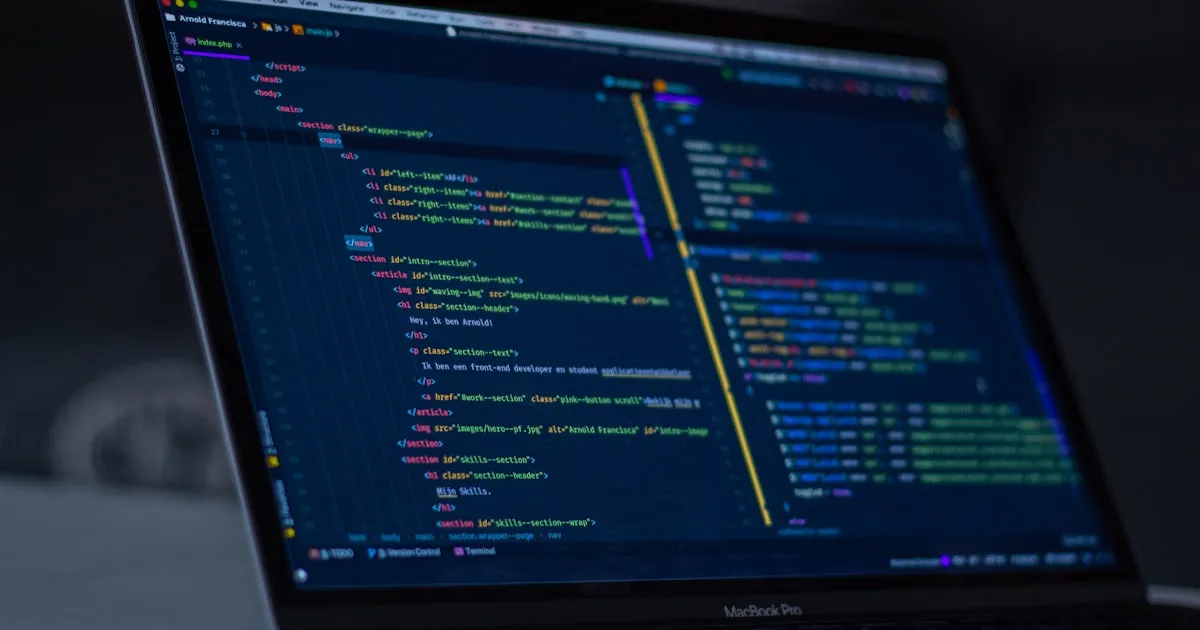
Spec-driven development: how to ship with Claude Code without the rewrite
Founders who hand AI a vague prompt rewrite the codebase three weeks later. Teams who hand it a spec ship. Here's the workflow we use on every Savi project.

AI agents in production: the demo worked, the deploy didn't
Your agent demo runs in 30 seconds and looks like magic. In production it costs $4 a call, times out 8% of the time, and confidently books the wrong meeting. Here's what breaks and how to ship anyway.
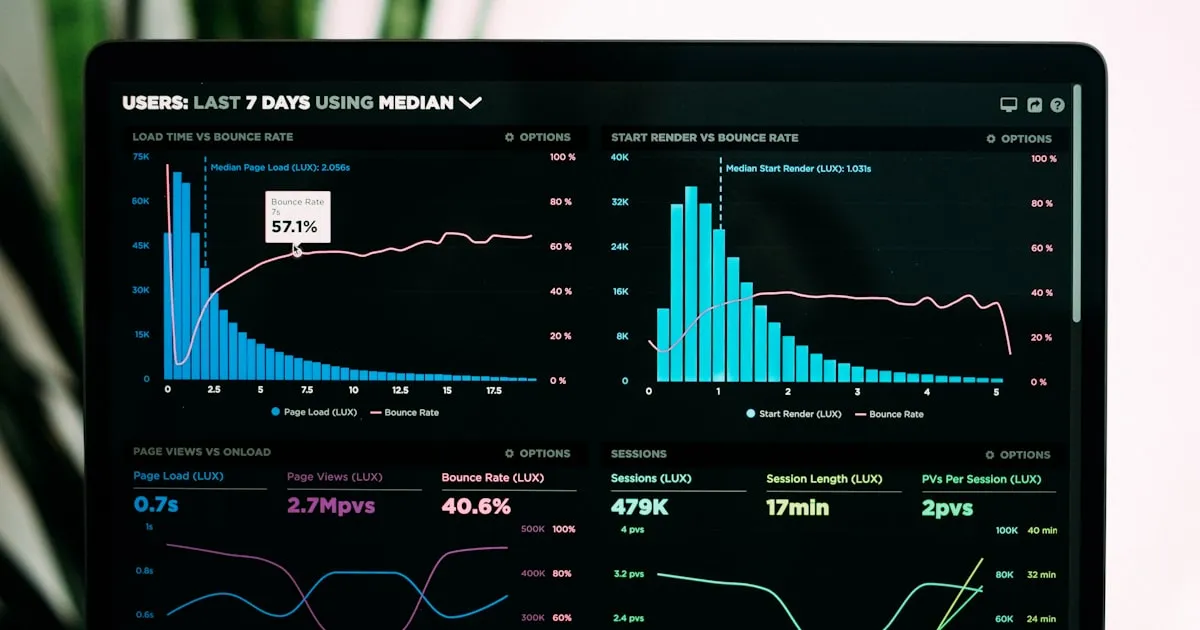
Internal tools in 2026: Retool, Lovable, or a real engineer?
Ops teams burn 11 hours a week on spreadsheets that should be apps. Three options to fix it, three very different cost curves. Here's how to pick before you commit.

We pen-tested a vibe-coded rent map. Here's the stored XSS we found.
bengaluru.rent ships a useful product to thousands of renters. It also shipped a stored XSS any visitor could trigger. Here's what we found, how the team fixed it in a day, and what this costs when you do it right the first time.
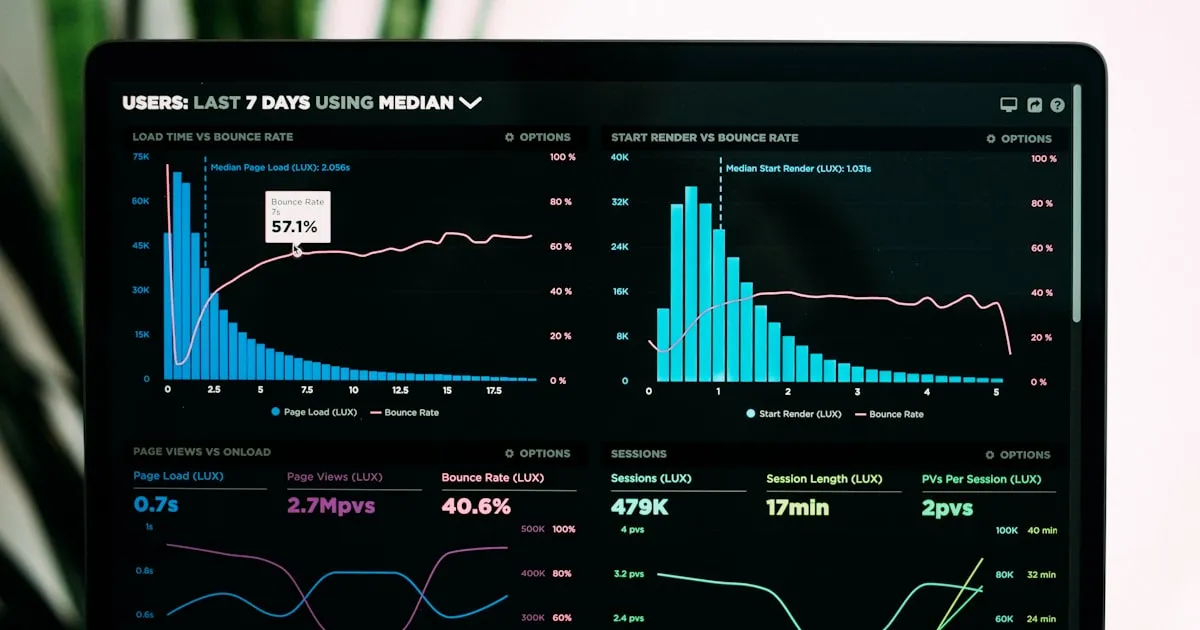
Your AI tools cost more than you think. Here's how to cut LLM spend by 65%.
Output tokens cost 3-5x more than input. A 5-engineer team burns $500-$3,000/month on AI tools; 30-60% of those tokens carry zero useful information. Token compression cuts the waste.

Outcome-based contracts: why you should stop paying by the hour
Time-and-materials projects run 23% over budget on average. Outcome-based contracts cap your risk and align incentives. Here's how to structure one that protects both sides.

DevSecOps for startups: security that doesn't slow you down
43% of cyberattacks target small businesses. AI-generated code ships 1.7x more vulnerabilities. Here's how to bake security into your pipeline without killing your shipping speed.
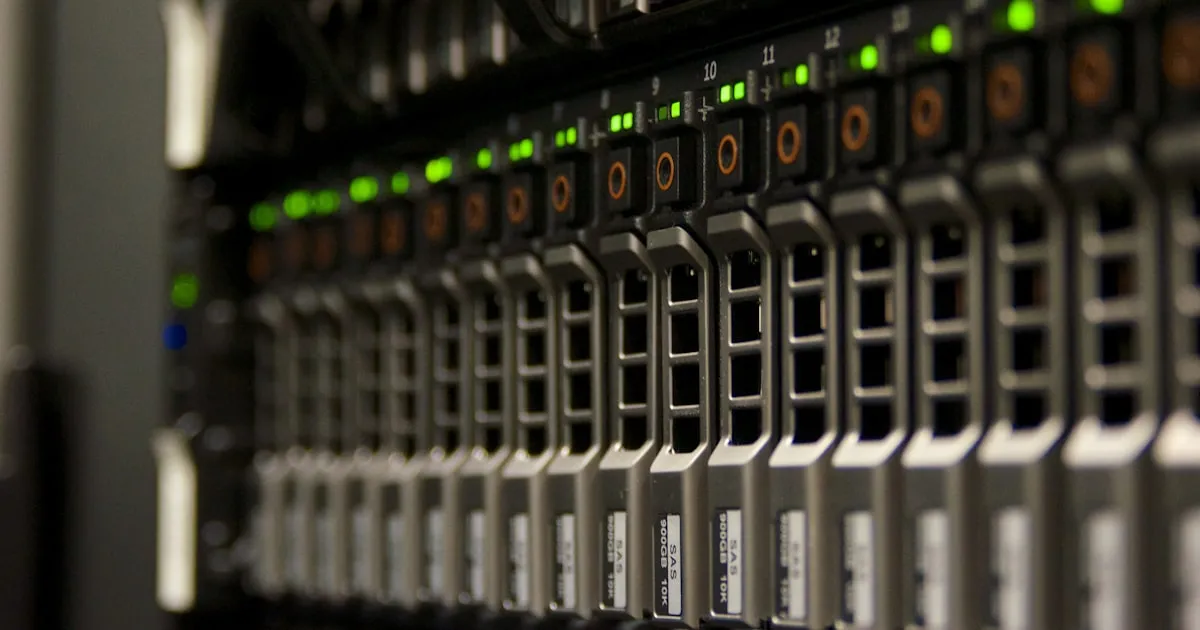
Platform engineering: why your team doesn't need it yet
Gartner says 80% of orgs will have platform teams by 2026. But building an IDP costs $999+/month and 12+ months of engineering time. Here's why most startups should wait.

Vendor lock-in is draining your budget. Here's how to break free.
The average vendor migration costs $315,000. AI lock-in is worse than cloud lock-in because of API dependency, data gravity, and ecosystem entanglement. A practical escape plan for CTOs.

How much does it cost to build an AI agent in 2026?
Off-the-shelf AI agents cost $500-$5,000/month. Custom builds run $20K-$180K+. But initial development is only 25-35% of your three-year cost. Full pricing breakdown with a build-vs-buy decision framework.
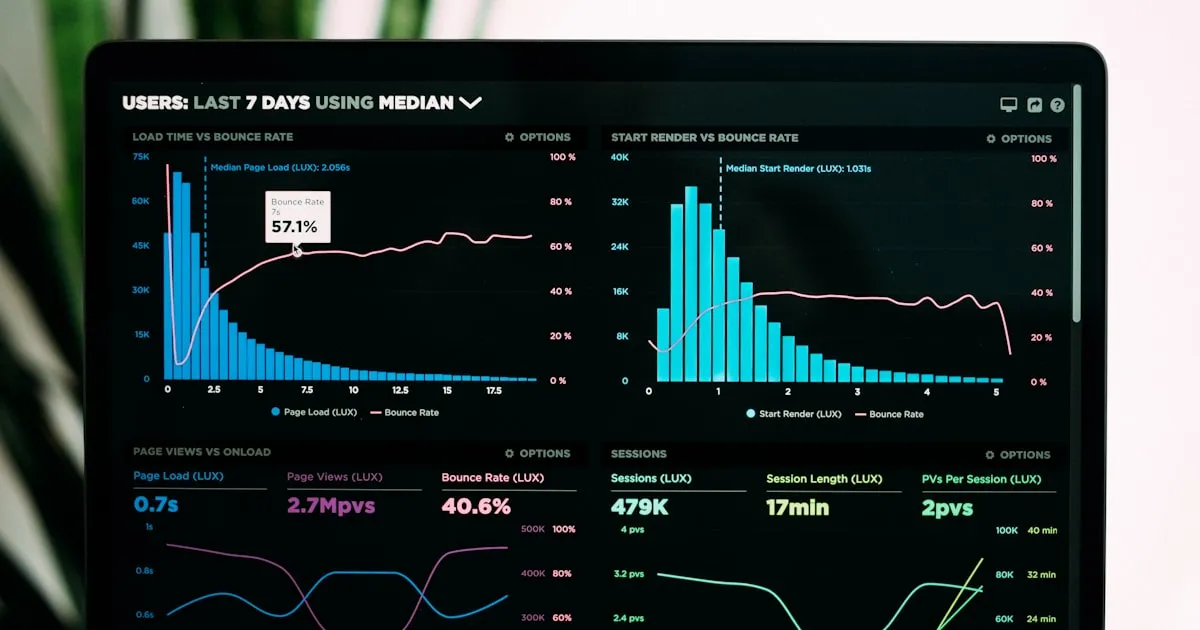
AI is changing what software costs to build. Here's what to demand from your dev partner.
Developers are 40% faster with AI tools, but enterprise software spending rose 15% to $1.4 trillion in 2026. Where's the savings going? A pricing breakdown for founders hiring dev teams.

AI won't replace your engineers. It'll replace your engineering backlog.
95% of engineers use AI weekly, but only 0-20% of tasks can be fully delegated. CNN, Anthropic, and Pragmatic Engineer data all say the same thing: AI shrinks teams, not headcount to zero.

MCP is on every CTO's agenda. Here's what it means for your next build.
Model Context Protocol dominated RSA Conference 2026 submissions. Every major AI vendor supports it. Here's what MCP is, why it matters for your product, and how to build with it today.

Fixed-price vs time-and-materials: which pricing model protects your budget
A $50K time-and-materials project runs 23% over budget on average. Fixed-price quotes cap your risk at $0 overrun. Full cost comparison with scenarios, hidden fees, and a decision framework.

How to evaluate a dev agency's AI workflow before you sign
90% of dev teams use AI tools. But AI-generated code has 1.7x more bugs than human code. Here are 10 questions to ask any agency about their AI workflow before you sign a contract.

How ZestAMC went from spreadsheets to $10+ million in 30 days
ZestAMC managed investment funds on spreadsheets. Manual payouts took days. They launched a production platform with 5 portals and automated payouts in 30 days.
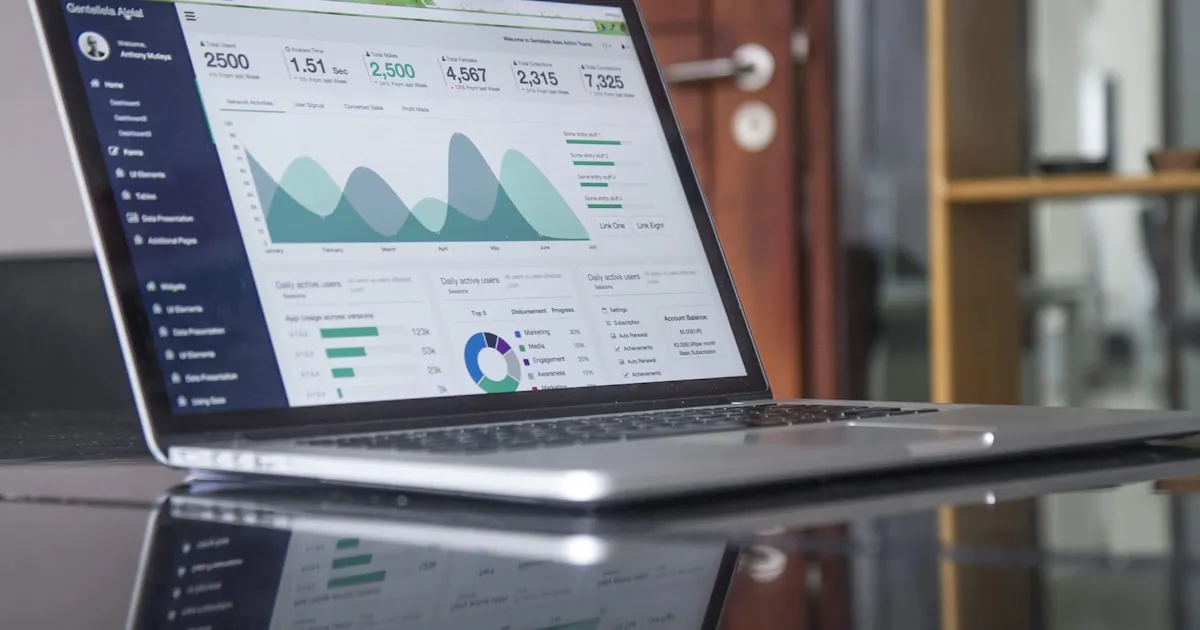
Custom vs SaaS for fund management: when to stop renting
FXBackOffice costs $36,000-$60,000 over three years. A custom platform costs $10,000-$20,000 and you own the code. Three-year TCO comparison.
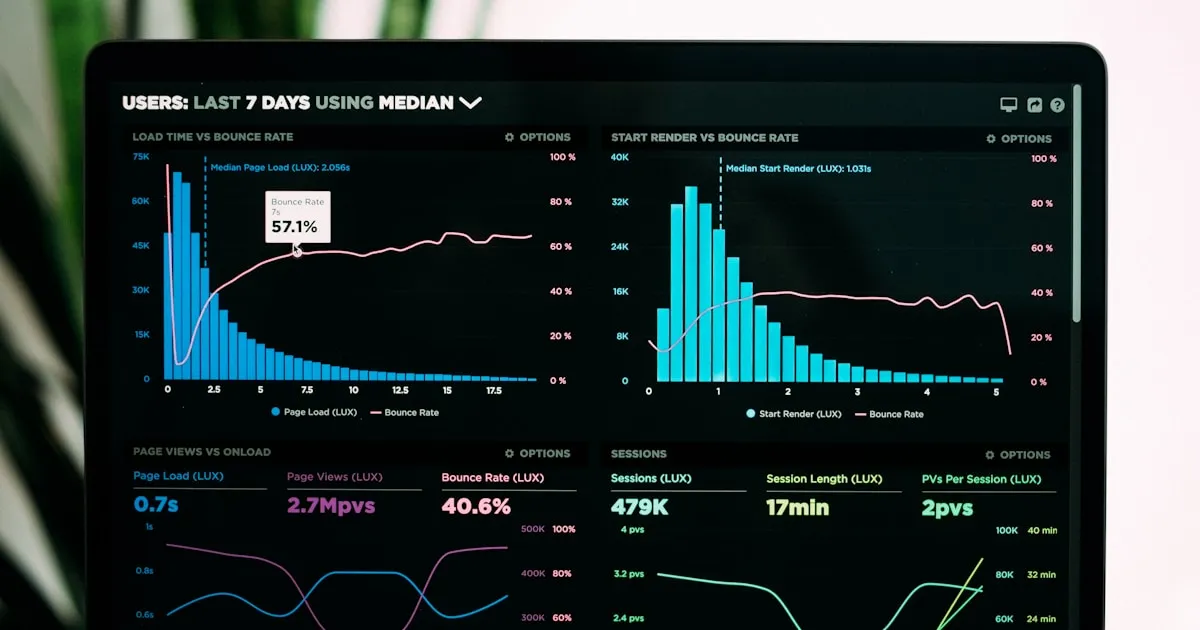
What fund management software costs in 2026
Manual operations cost your team 15-20 hours a week. SaaS platforms run $24K-$60K a year. A custom platform costs $10,000-$20,000 once. Full breakdown with real numbers.
Offshore vs nearshore vs onshore development: cost and quality tradeoffs
Offshore rates start at $25/hr but hidden costs push the real price to $50-75/hr. Nearshore splits the difference. Here's the full comparison with real numbers for each model.
Next.js vs Astro vs Remix: which framework for your SaaS in 2026
We deployed the same page on all three frameworks. Astro scored 99 on Lighthouse with 3KB of JS. Next.js shipped 97KB. Full comparison with real build metrics, hiring data, and a 4-question decision framework.
Supabase vs Firebase vs custom backend: which one for your startup
Supabase gives you Postgres for free until 500MB. Firebase scales to millions but locks you into Google's ecosystem. A custom backend costs $3,000-$8,000 upfront but gives you full control.

You vibe-coded your MVP. Now you're stuck.
Lovable and Bolt get you to 80% fast. The last 20%, edge cases, security, integrations, is where projects die. Here's when to stop prompting and start engineering.

The real cost of vibe coding: what Lovable and Bolt won't tell you
You're burning 400 credits an hour fixing AI mistakes. 30-40% of your prompts go to debugging. Here's what vibe coding costs when you add up the hours, the rewrites, and the security gaps.

Technical debt is killing your startup. Here's how to fix it.
Your engineers spend 25% of their time servicing code shortcuts from six months ago. That's $125K/year for a five-person team. Here's a system to stop the bleeding.

REST vs GraphQL vs gRPC: how to pick the right API for your product
Two-thirds of teams still default to REST. But 40% are piloting GraphQL, and gRPC owns the microservices layer. Here's when each one wins, with real tradeoffs.

How much does custom software cost in 2026?
A transparent breakdown of what drives custom software pricing, from MVP to enterprise platform. Real numbers from projects we shipped.

7 MVP mistakes that burn through your runway
42% of startups fail because they built the wrong product. Here are the seven mistakes we see founders make before launch, and how to avoid each one.
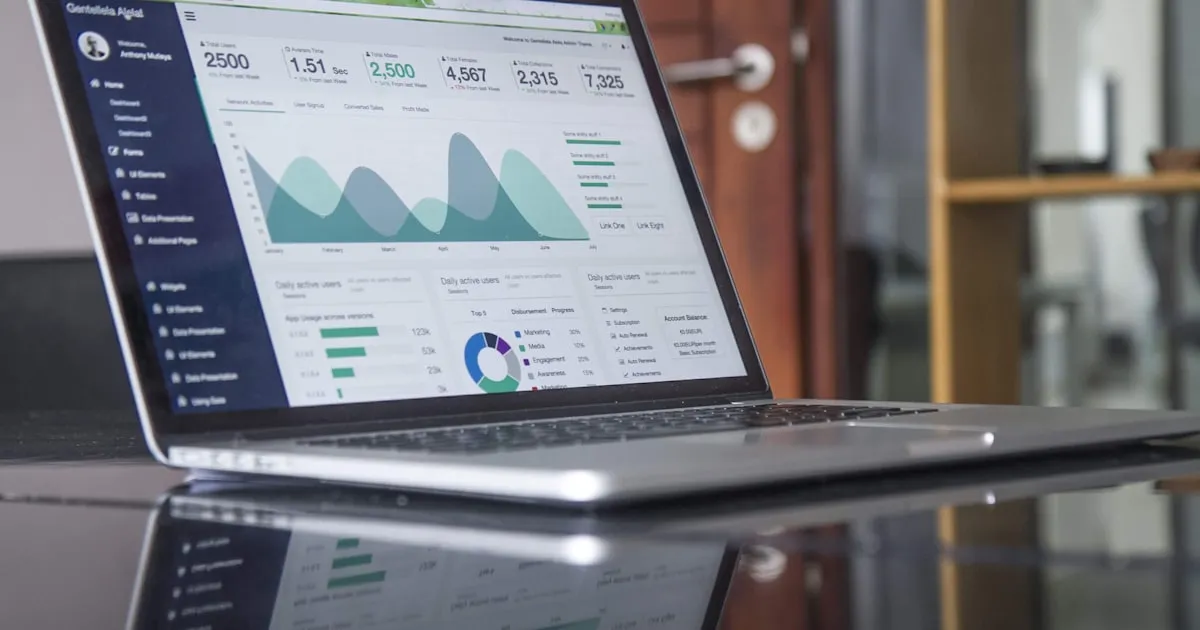
Build vs buy: when custom software beats off-the-shelf SaaS
A decision framework for CTOs and founders weighing custom development against existing SaaS products. With scenarios where each option wins.

Technical due diligence: what investors and acquirers miss
75% of investors rank digital maturity as a top-3 value driver. But most tech DD reviews miss the risks that kill deals after close. Here's what to look for.
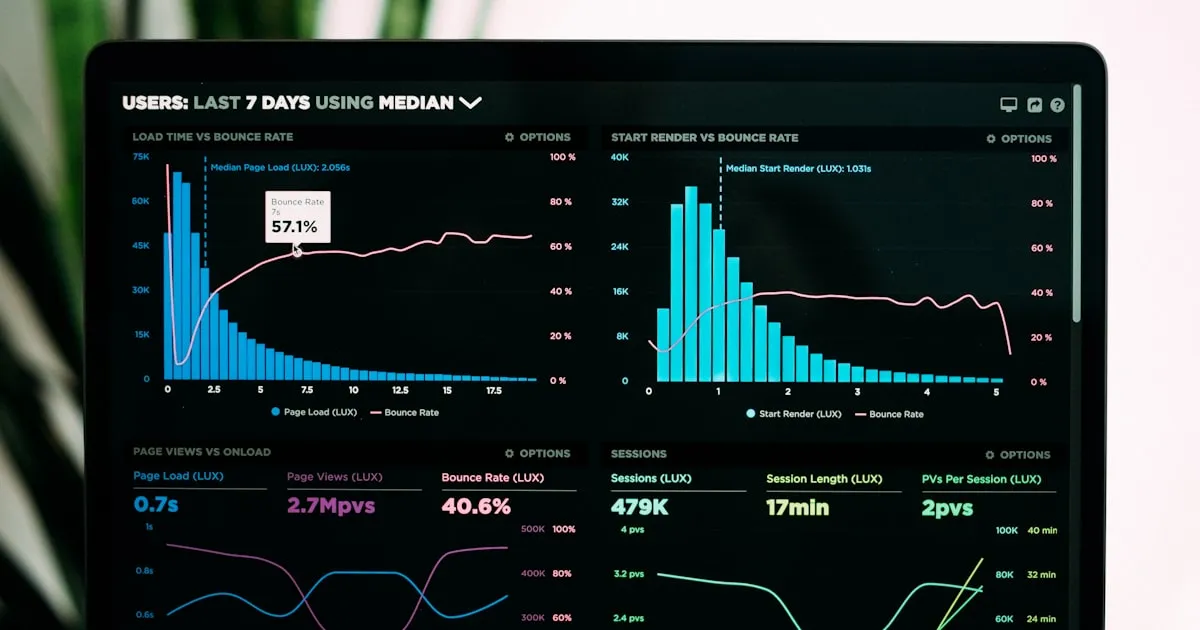
Lovable vs Bolt vs hiring a dev agency: an honest comparison
Lovable, Bolt, and v0 get you a prototype in hours. But 10.3% of Lovable apps ship with critical security flaws. Here's when AI builders work, when they don't, and when to call in engineers.

How to write a PRD that developers can ship from
A practical template for product requirements documents that engineering teams can turn into working software. No fluff, no 40-page specs.

Why your software project is late (and what to do about it)
66% of software projects exceed their timeline or budget. Six patterns cause most delays, and all of them are preventable. A field guide from someone who ships on time.

How to choose a tech stack for your startup in 2026
Your tech stack won't make or break your startup. Your hiring pool and development speed will. Here's a framework for picking tools that ship fast and scale later.

Multi-tenant SaaS architecture: what CTOs need to know
Database-per-tenant vs shared schema vs hybrid. How to pick the right multi-tenancy model and avoid the mistakes we see in production.
What is an MVP and how long does it take to build one?
A simple MVP takes 2-4 weeks. A complex one takes 6-10. Here's what determines your timeline, what an MVP should and shouldn't include, and how to ship faster.

How to evaluate and hire a software development agency
Red flags, green flags, and the questions that separate competent agencies from those that will burn your budget. From someone who runs one.

Serverless vs containers: which architecture fits your SaaS?
Serverless costs $0 at launch but gets expensive at scale. Containers cost more upfront but stay predictable. Here's how to pick the right architecture for your SaaS product.

AI coding assistants: what they can and can't do for your product
84% of developers use AI coding tools. They ship boilerplate 30-50% faster. They also generate 2.74x more security vulnerabilities. Here's how to get the speed without the risk.
How to scope a software project before hiring a developer
52% of projects experience scope creep, running 27% over budget. Use this 5-area scoping framework with MoSCoW prioritization to get accurate quotes in 2-4 hours. Includes a copy-paste checklist template.

Freelancer vs agency vs in-house team: how to decide
A freelancer costs $50/hr. An agency costs $100/hr. An in-house engineer costs $150K/year. But cost per hour is the wrong metric. Here's how to pick the right model for your stage.

Software maintenance costs: what to budget after launch
IEEE data: 60% of total software cost happens after launch. A $20K app costs $3-4K/year to maintain, plus $100-$400/month for infrastructure. Full breakdown with retainer pricing and preventive maintenance ROI.
When to migrate from a monolith to microservices (and when not to)
Most startups adopt microservices too early. Most enterprises wait too long. Here's how to know when your monolith has outgrown itself, and how to migrate without a rewrite.

CI/CD for startups: ship faster without breaking things
Manual deploys work at 2 engineers. They break at 5. Here's the minimum CI/CD pipeline every startup needs, with free tools and a setup that takes one afternoon.

Do you need a CTO? The case for fractional technical leadership
A full-time CTO costs $180-250K/year plus equity. A fractional CTO costs $2-5K/month. Here's how to get the technical leadership your startup needs without the full-time hire.